The No-Spend Month: Rules That Actually Work

A no-spend month is not about suffering; it is a reset button with clear rules, and these are the ones that actually hold up.
What a no-spend month really is
A no-spend month is thirty days where you buy only essentials. Rent, utilities, groceries, fuel, medication, and required bills stay. Everything else pauses. It is not a punishment and it is not minimalism theater. It is a diagnostic: one month of strict boundaries shows you exactly where your money was going on autopilot.
People usually do it for one of three reasons: to break an overspending habit, to redirect a month of discretionary cash toward a goal, or to prove to themselves that they spend less than they fear. All three work, but only if the rules are written down before day one.
Rule one: define spending before you start
Vague rules get negotiated away by day four. Write two lists. The allowed list: housing, utilities, insurance, minimum debt payments, basic groceries, fuel or transit, medication, childcare, pet food. The banned list: dining out, coffee shops, clothes, home goods, entertainment spending, gifts bought this month, app purchases, convenience upgrades.
Decide the gray areas now, not later. Is a birthday gift for your kid allowed? Is replacing broken work shoes allowed? Is a prescription copay allowed? Your answers are yours — the point is that they exist in writing before temptation arrives.
Rule two: groceries get a budget, not a ban
You still have to eat. Set a fixed grocery number for the month — lower than usual, but realistic — and treat it as the one flexible category. Meal plan around it. Base the plan on five cheap anchor meals you can cook without thinking — rice and beans, pasta, eggs, soup, stir-fry — then rotate them. Boredom is the enemy here; a short list of reliable meals beats an ambitious plan you abandon by Thursday.
Dining out is the usual budget-killer, and it is fully banned during the month. That includes the drive-through, the vending machine, and the delivery app you swore you deleted. If food comes from a restaurant, it breaks the month. Cook it or skip it.
Give the saved money a job on day one
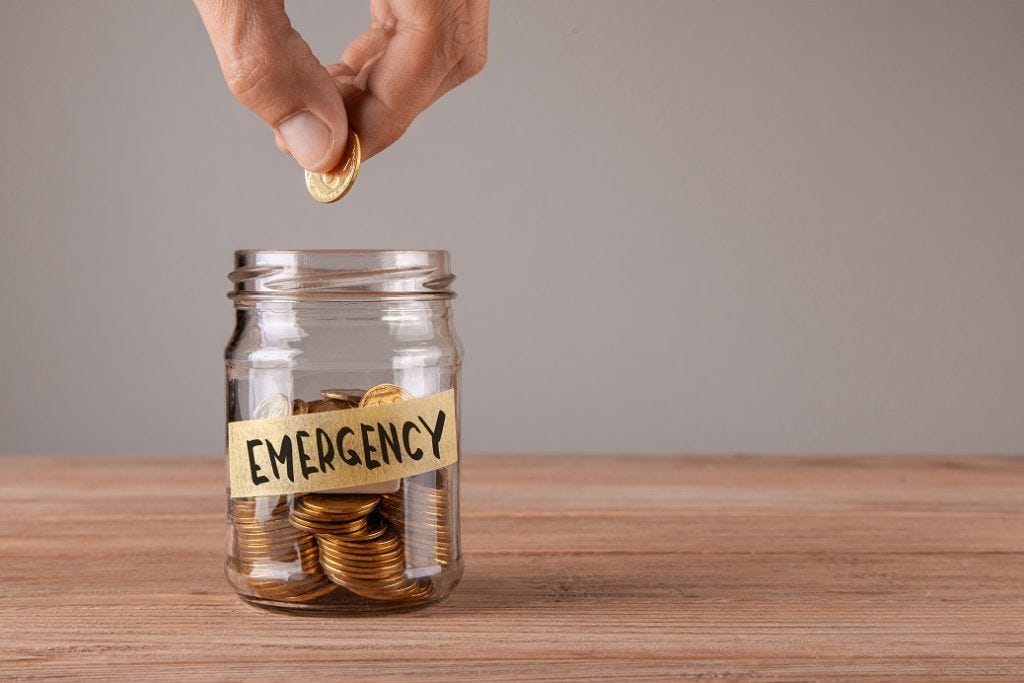
A no-spend month fails quietly when the unspent money just sits in checking and gets absorbed. On day one, open a separate savings account or envelope and name it for the goal: the debt, the emergency fund, the trip. Move money into it weekly as the month progresses.
Watching a separate balance grow is the feedback loop that replaces shopping. By week three, checking that balance becomes the habit that the spending used to be.
Rule three: remove the triggers
Willpower is a bad plan. Delete shopping apps from your phone for the month. Unsubscribe from store emails or filter them into a folder you will not open. Remove saved card numbers from browsers so every online purchase requires the physical card.
Tell one person what you are doing. A roommate, a partner, a friend — anyone who will notice if you show up with shopping bags. Social accountability sounds small, but spending you have to explain is spending you reconsider.
Rule four: give urges somewhere to go
Urges will arrive around day five and peak around day ten. That is normal and it passes. Keep a running want list on your phone: everything you would have bought, written down with the price. You are not forbidding these things forever. You are parking them.
At month end, review the list. Most items will look absurd. A few will still matter, and those become planned purchases with actual intention behind them. The list turns impulses into data, which is the whole point of the exercise.
Rule five: handle other people in advance
The month gets socially awkward if you improvise. Decide now how you will handle invitations: suggest free alternatives, eat before you go, or simply say you are doing a no-spend month. Most people respect a clear boundary more than a vague excuse.
For shared expenses, be honest early. If you split costs with a partner or roommate, agree on what stays shared and what pauses. Surprising someone with your new rules mid-month breeds resentment; agreeing upfront breeds support.
Rule six: one mistake does not end the month
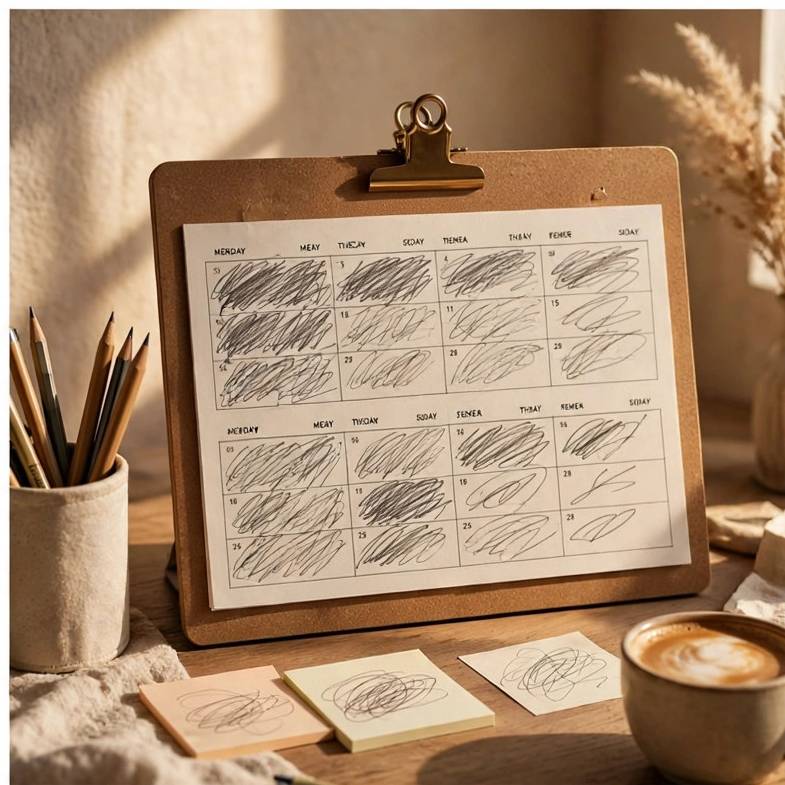
If you slip — and most people slip once — log it, note what triggered it, and continue. A no-spend month with one mistake still saves nearly a full month of discretionary spending. The most useful response to a slip is a one-line autopsy: what did you buy, where were you, what were you feeling? Patterns emerge fast — most people discover one trigger, like late-night phone scrolling, causes most slips. Fix the trigger and the rule gets easier. Quitting because of a single slip is the only real way to fail.
At the end, total what you saved and give it a job immediately: debt, emergency fund, or the next goal. Then keep exactly one rule permanently. Most people keep the want list or the deleted shopping apps, because those two quietly save money every month after.
Quick answers.
Can I buy gifts during the month? Give experiences, letters, or things you already own. If a gift is truly non-negotiable, decide before day one and put it on the allowed list — planned generosity is not impulse spending.
What about annual subscriptions already paid? Sunk costs stay. The month bans new spending, not past decisions. Cancel the renewal so it does not hit next year.
Is this just a strict budget? A budget manages ongoing spending; a no-spend month is a one-time reset that reveals your patterns. Most people return to a normal budget afterward — with better information.
This article is general education, not individualized financial advice.