Beginner’s Guide to Building an Emergency Fund
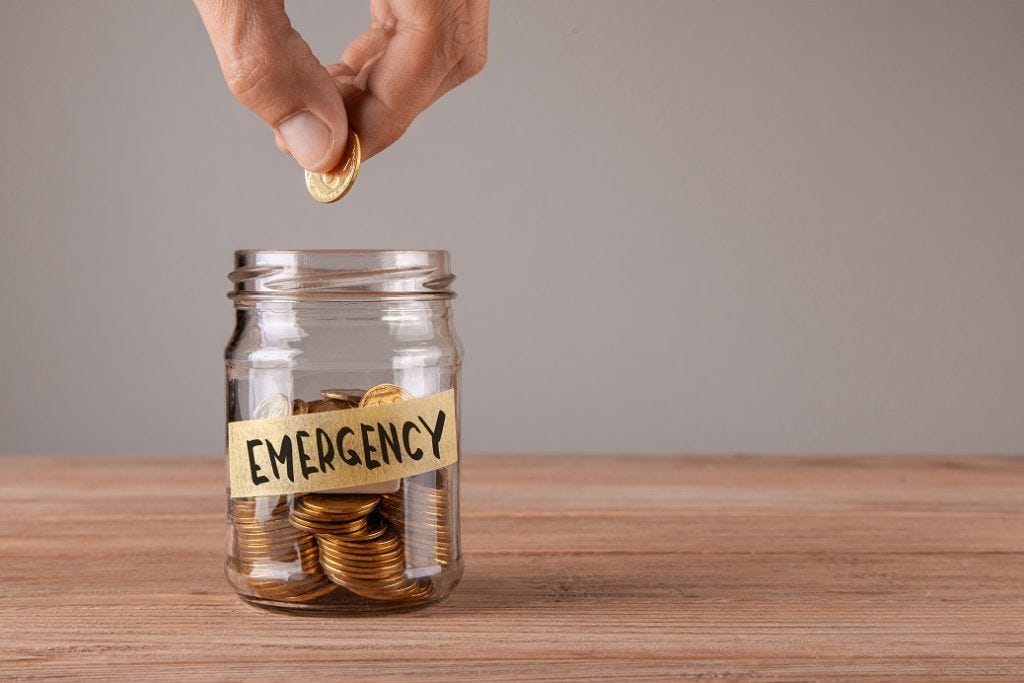
An emergency fund turns a surprise expense into a problem you can handle instead of a debt you have to carry.
What an emergency fund is for
An emergency fund is cash reserved for necessary, unplanned expenses or a sudden loss of income. It creates time: time to repair the car without immediately carrying a credit-card balance, time to cover essential bills during a job transition, or time to handle urgent travel without dismantling every other goal. The fund does not prevent the problem, but it can keep one problem from becoming several.
It is different from a sinking fund. A bill that is irregular but expected—annual insurance, holiday travel, routine car service, school costs—belongs in a separate category that you build toward on purpose. Separating predictable costs protects the emergency balance and makes your monthly plan more accurate.
Choose a first finish line you can see
Advice often begins with several months of expenses, but that can feel impossible when the balance is zero. Start with one concrete milestone: the amount of an insurance deductible, one essential utility bill, a typical urgent car repair, or another expense that has disrupted your household before. The best first target is meaningful enough to help and small enough to reach.
After that, build a ladder. Move from the first milestone to one month of core expenses, then toward a larger buffer that reflects your situation. A household with variable income, dependents, specialized medical needs, an older car, or one income source may want more margin than a household with stable dual income and broad insurance coverage. There is no moral score attached to the number.
Calculate core expenses without guessing
Look at recent statements and total the costs you would need to keep paying during a disruption: housing, basic utilities, groceries, insurance, minimum debt payments, essential transportation, medication, and necessary care. Exclude optional upgrades and spending you could pause. The result is not a bare-survival fantasy; it is a practical estimate of what keeps the household functioning.
If expenses change each month, use a conservative average and add a modest margin. Remember bills that are paid quarterly or annually by dividing them into monthly amounts. Update the estimate after a move, a major insurance change, a new dependent, or a shift in transportation. A target based on an old life can give false confidence.
Keep the money separate, safe, and reachable
A dedicated savings account can create useful friction between everyday spending and emergency cash. Compare monthly fees, minimum balances, withdrawal rules, transfer times, customer support, and applicable deposit protection. The account should be easy enough to access during a real emergency but not so visible that it becomes the default source for ordinary overspending.
Emergency money should not depend on a volatile investment holding its value on the exact day you need it. Return matters less here than stability and access. If an account takes several days to transfer, consider keeping a small portion where same-day access is possible while the rest earns interest in the separate account.
Give the account a plain name such as “Emergency only” or “Income gap.” A label will not enforce the boundary, but it makes the purpose visible each time you see the balance.
Automate an amount that survives real life
Choose a transfer that can continue through an ordinary month. A reliable small deposit is better than an ambitious amount that repeatedly causes an overdraft or gets canceled. Schedule it just after payday, or use split direct deposit if that is available and helpful. Treat the transfer like a bill to your future household.
If income is irregular, use a percentage or a two-part rule: save a small base amount in lean months, then direct part of every amount above your baseline to the fund. Windfalls, refunds, rebates, gifts, and extra income can speed progress, but they should supplement a repeatable system rather than carry the entire plan.
When the budget feels too tight, look for one temporary redirect instead of cutting everything. A paid-off bill, canceled subscription, or lower-cost insurance renewal can become an automatic contribution before the money blends into general spending. The moment a monthly obligation ends is often the easiest time to increase savings.
Balance emergency savings with expensive debt
Building cash while paying high-interest debt can feel contradictory, but having no buffer may send the next surprise straight back onto a card. One practical approach is to establish a small starter fund, continue required minimum payments, and then decide how to divide extra money between the highest-cost debt and the next savings milestone.
The right order depends on interest rates, penalties, employer retirement matches, income stability, insurance, and your tolerance for risk. Do not skip minimum payments or essential insurance to force the emergency account higher. If debt is unmanageable, a reputable nonprofit credit counselor or qualified financial professional can help evaluate options.
Write the rule for when you will use it
Define an emergency before one occurs. A useful test is whether the expense is necessary, urgent, and unplanned. Job loss, urgent medical care, essential travel, a critical home repair, or transportation needed for work may qualify. A sale, a routine annual bill, or a purchase that can safely wait usually does not.
Some decisions will remain gray. If the expense protects health, housing, income, or basic safety and delaying it would make the situation worse, using the fund may be exactly right. The written rule is there to reduce impulse spending, not to create shame when life is genuinely difficult.
Use the fund, then rebuild in order
When an expense meets your rule, use the money deliberately. Keep the receipt, note what happened, and pay the provider directly when practical. Avoid moving the whole balance into checking if only part is needed. Once the immediate problem is stable, restart the previous automatic contribution instead of waiting for a perfect month.
A withdrawal is not a failure. The account completed its assignment. Review whether the event revealed a new recurring cost, an insurance gap, or a maintenance issue that should be addressed separately. Then rebuild the starter milestone first and climb the ladder again.
Your 30-minute setup
- Choose one first milestone tied to a real risk in your household.
- Open or identify a separate, low-fee savings account with appropriate protection and access.
- Set one automatic transfer after payday.
- Write your three-part use rule: necessary, urgent, and unplanned.
- Add a monthly calendar note to check the transfer and update progress.
Progress may be slow and uneven. Measure the system by whether the balance is more useful than it was last month, not by whether it matches someone else’s target. A modest fund that is clearly defined and consistently rebuilt can materially change the next hard decision.
This article is general education, not individualized financial advice.