How to Stop Lifestyle Creep Before It Eats Your Raise

Every raise quietly comes with a spending upgrade unless you decide in advance where the extra money goes.
What lifestyle creep looks like
Lifestyle creep is the slow upgrade of your spending to match your income. The raise lands, and within months the nicer apartment, the food delivery habit, and the upgraded car payment have absorbed it. You earn more than ever and save the same as before — sometimes less.
It is not a character flaw. It is the default. Spending rises to fill available income the way water fills a container, and every upgrade quickly feels like the new normal. The only defense is deciding where the money goes before it arrives.
The raise rule: save half first
When a raise or bonus lands, commit half of the increase to savings or debt before you spend a dollar of it. If your take-home rises by $400 a month, $200 goes to the future automatically and $200 upgrades your present. You still feel the raise. Your savings feel it more.
The power is in the timing. Decide the split the week the raise is announced, not the month it hits your account. Money that is already assigned never gets the chance to become a new habit.
Automate the gap
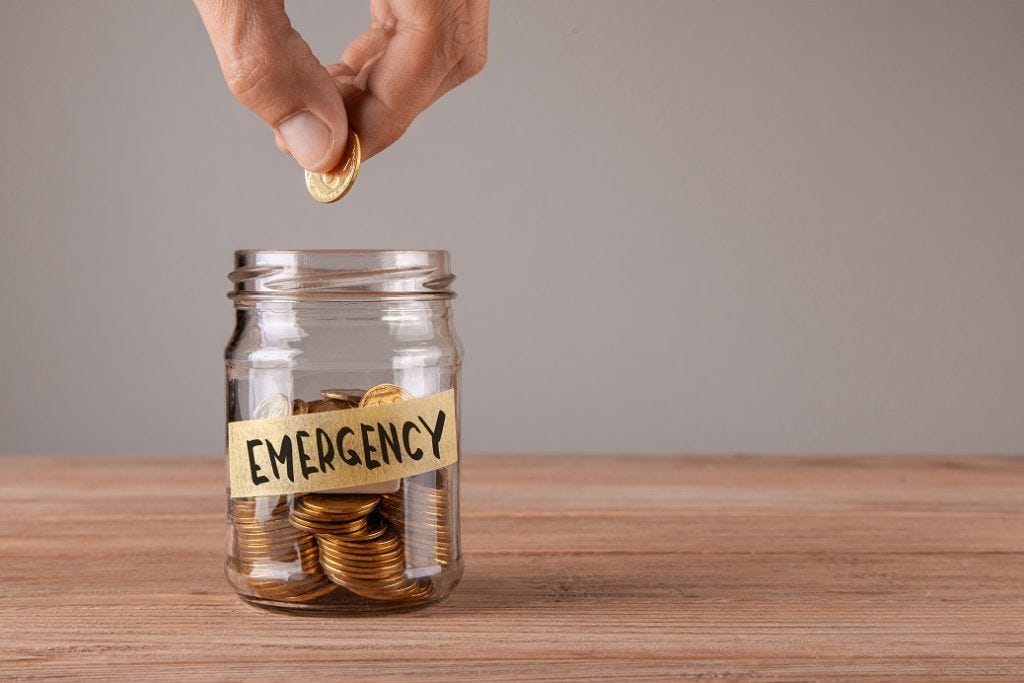
Willpower loses to automation every time. Increase your 401(k) contribution, savings transfer, or extra debt payment the same week the raise takes effect. If the money never sits in checking, you never have to resist spending it. Name the destination account for the goal it serves — house fund, debt killer — because money with a name gets raided less. If your employer allows split direct deposit, send the raise portion straight to savings so it never touches checking at all.
This works for irregular income too. Freelancers and tipped workers can set a rule like: every deposit above my baseline month gets split the same way, half to goals. The mechanism matters more than the exact split.
Run the subscription audit first
Before the next raise even arrives, audit what your current income already supports. List every recurring charge and ask of each one: would I sign up for this today at this price? Anything that fails the question gets cancelled before the raise, not after. Creep is easiest to stop before new money arrives, because every existing subscription will claim a share of the increase if you let it.
The 30-day list for upgrades
Not every upgrade is creep. Some improve your life genuinely. The difference is intention. Keep a running list of lifestyle upgrades you want — the better apartment, the newer car, the weekly cleaner — and let each one sit for 30 days before you act.
After a month, most items lose their urgency, which tells you they were impulses wearing a costume. The ones that still matter after 30 days are candidates for deliberate upgrades, funded by the half of your raise you kept for the present.
Audit the big three
Housing, transportation, and food decide your financial life more than every small habit combined. Creep hides in these three because each upgrade feels like a single decision: a slightly nicer apartment, a car payment instead of a paid-off car, delivery instead of cooking.
Once a year, price your big three against cheaper alternatives you would actually accept. You do not have to take the cheaper option. But knowing the gap — say, $300 a month between your apartment and a fine alternative — turns an invisible drift into a conscious choice.
Keep one guilt-free splurge
A plan with zero joy fails. Pick one spending category that is fully yours, no justification needed — good coffee, games, concerts, whatever genuinely delights you — and protect it in the budget. One deliberate splurge prevents the rebellion spending that kills austere plans.
The rule is one, not five. A single protected pleasure is sustainable. Five protected pleasures is just your old budget with better branding. Fund the splurge monthly and let unspent money roll over. A splurge fund that accumulates turns into guilt-free bigger treats — the concert tickets, the weekend trip — instead of a stream of forgettable small ones.
When an upgrade is actually worth it
Some upgrades pay for themselves in time, health, or sanity: a mattress you sleep on for eight years, tools for work you do daily, a repair that prevents a breakdown. The test is cost-per-use over the thing's real lifespan, not the sticker price. A $300 item used daily for five years costs about 16 cents a day — cheaper than most habits nobody questions.
The enemy was never spending. It was unexamined spending. An upgrade you chose deliberately, after the 30-day wait, funded by your half of the raise, is not creep. It is the reward the system was built to allow.
Quick answers.
What if my raise barely covers inflation? Then there is no real increase to split, and the honest move is holding spending flat. The rule still works: flat spending on flat real income is itself a win.
Should my partner follow the same rule? Shared money needs a shared decision. Agree on the split together once, automate it, and skip the monthly negotiation.
What about one-time windfalls — bonuses, tax refunds? Same principle, simpler math: decide the split before the money lands. A common version is half to goals, half to guilt-free spending, no deliberation required.
This article is general education, not individualized financial advice.